
-
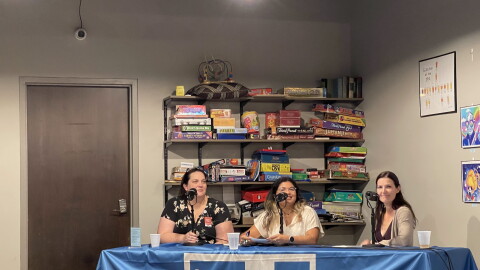 Md Tajul Islam/Mizzou Grad StudentKBIA is hosting a series of community engagement events across Missouri and last week, we brought that conversation to Jefferson City. The talk focused on food safety, following multiple foodborne illness outbreaks over the summer.
-
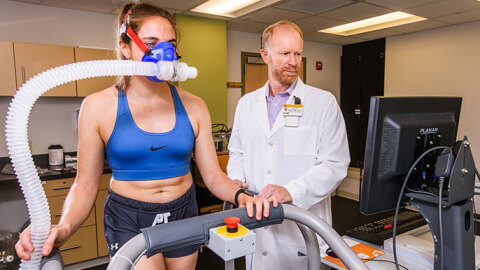 Justin Kelley/MU Health Care photoResearchers found that endurance exercise changed how liver cells produced energy in male and female rats. Both groups showed improvements in liver health, but they appeared to reach those results through different biological pathways.


-
 Intermittent fasting is when people go without food for a prolonged period — usually anywhere from 16 to 72 hours, and sometimes even longer. Fasting isn’t new. People have practiced it for centuries for religious and cultural purposes. But now, it has gained popularity as a health trend too.
-
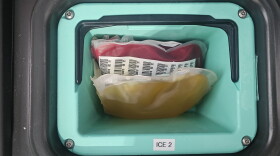 Medical experts have long understood that replacing lost blood can be critical to survival. But transporting and storing blood outside hospitals presents significant logistical challenges.
-
 Methamphetamine use in Missouri looks different than it did in the 90s and early 2000s, but nevertheless — it remains a problem. There's limited treatment options that exist for Missourians with stimulant use disorder, and some barriers prevent even those options from being more widespread.
-
 An analysis shows a rise in emergency room visits correlates to temperature increases. The highest numbers of visits occurred when severe daytime heat was combined with unusually warm nighttime temperatures.
-
 There is now greater access to naloxone, a medication that can reverse opioid overdoses, in Boonville and Cooper County.
-
 In the late 1990s and early 2000s, it was not unusual to hear people call Missouri the "meth capital of America" due to the large number of methamphetamine labs in the state. But what does methamphetamine usage and production look like in the state today?
-
 The new funding builds on more than $7 million previously awarded to Missouri for rural maternal health initiatives, including expanded doula training and certification, as well as mobile health care and community paramedicine services.
-
 Dr. Kimberly Spence is a member of the Show-Me Echo that focuses on mothers, infants, and Neonatal Abstinence Syndrome (NAS). This is a regular, virtual convening of medical professionals from across the state that works to share best practices of how to care for these at-risk infants and their mothers.
-
 On this month’s Socially Transmitted, KBIA's Najifa Farhat and Rebecca Smith look at what we do and do not know about the practice of mouth taping.
-
 Dr. Jeannie Kelly and Dr. Bridget Gelati both work at WashU Medicine's CARE [the Clinic for Acceptance, Recovery, and Empowerment], and spoke about how substance use disorder treatment during pregnancy can help parents — and babies thrive.


