
-
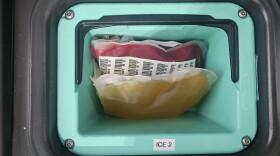 Medical experts have long understood that replacing lost blood can be critical to survival. But transporting and storing blood outside hospitals presents significant logistical challenges.
 -
 Methamphetamine use in Missouri looks different than it did in the 90s and early 2000s, but nevertheless — it remains a problem. There's limited treatment options that exist for Missourians with stimulant use disorder, and some barriers prevent even those options from being more widespread.
 -
 An analysis shows a rise in emergency room visits correlates to temperature increases. The highest numbers of visits occurred when severe daytime heat was combined with unusually warm nighttime temperatures.
 -
 There is now greater access to naloxone, a medication that can reverse opioid overdoses, in Boonville and Cooper County.
 -
 In the late 1990s and early 2000s, it was not unusual to hear people call Missouri the "meth capital of America" due to the large number of methamphetamine labs in the state. But what does methamphetamine usage and production look like in the state today?
 -
 The new funding builds on more than $7 million previously awarded to Missouri for rural maternal health initiatives, including expanded doula training and certification, as well as mobile health care and community paramedicine services.
 -
 On this month’s Socially Transmitted, KBIA's Najifa Farhat and Rebecca Smith look at what we do and do not know about the practice of mouth taping.
 -
 Missouri Department of Health and Senior Services data show 254 people died from heat-related causes between 2014 and 2026. About 6% of those deaths were listed as being related to occupational activities.
 -
 In July, the U.S. Drug Enforcement Administration announced its intent to make 7-OH — a potent synthetic opioid — a schedule 1 drug. In other words, 7-OH would be classified as an illegal, addictive substance with no medical use.
 -
 According to research from the Urban Resource Institute, more than a third of domestic violence survivors report their abusers threatened to harm or kill a family pet — leaving survivors in a fraught situation: escape their abuser or stay to protect the pet?

© 2026 University of Missouri - KBIA
Play Live Radio
Next Up:
0:00
0:00
Available On Air Stations


