-
 Student membership in the agriculture organization FFA is at an all-time high, yet the average age of farmers is rising and there are fewer farms in the U.S. than ever before. What do these shifting populations say about the future of agriculture?
 -
 A new welcome center coming to Clary-Shy Community Park will offer more resources to the community and elevate the Columbia Farmers Market experience.
 -
 The Missouri Organic Association is seeking farms to participate in a project to evaluate biochar usage's impact on agriculture.
 -
 At least 21 states are considering legislation to block foreign companies and individuals from purchasing farmland. The issue has gained momentum in recent years.
 -
 Legislation in Congress would expand a federal grant and loan program that helps producers of biofuels and other biomanufactured products build and expand their facilities.
 -
 Missouri lawmakers failed last session to pass legislation limiting further foreign ownership of farmland. The issue is likely to reappear this year.
 -
 A new program provides tax credits to Missouri farmers looking to start or expand their operations. The state says it could also help address food insecurity.
 -
 A U.S. Department of Agriculture report found “socially disadvantaged producers,” especially Black farmers, operate at a higher risk level compared to their white counterparts and are less likely to receive government payments.
 -
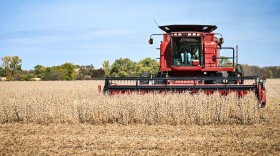 The agriculture department’s annual projections show a slowing economy and lower crop prices for the upcoming year. The USDA also looks ahead to the next decade, showing rising crop yields but a competitive job market.
 -
 More than 100 billion pounds of food goes to waste every year in America. The U.S. Department of Agriculture’s Farm to Food Bank is trying to cut down on that waste by connecting local farmers and food pantries, but it’s future depends on how much funding is included for the program in the next farm bill.

© 2024 University of Missouri - KBIA
Play Live Radio
Next Up:
0:00
0:00
Available On Air Stations


